
 Posted by
 What We’re Watching: Biden moves on oil, US-Russia info wars
Major oil drama
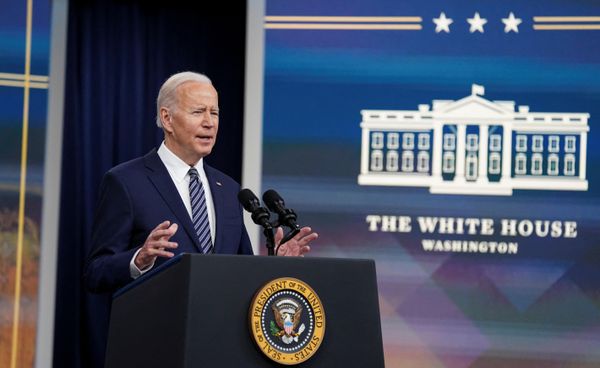
President Joe Biden on Thursday ordered the US Strategic Petroleum Reserve to release 1 million oil barrels per day for the next six months in order to bring down soaring gasoline prices over the war in Ukraine. Technically, more American oil on the global market would help lower prices, but Biden’s move was met by a collective shrug by the OPEC+ group of oil-exporting countries, which announced they can’t do much to stop rising prices and signed off on a modest increase in production. Vladimir Putin, meanwhile, announced that Moscow will indeed demand payment in rubles for Russian oil from now on. Those who don’t comply could face being cut off. France and Germany said no way, but there’s a loophole: oil buyers can still deal with Gazprombank, a Russian bank that hasn’t been sanctioned yet (and is conveniently run by the state-owned energy giant Gazprom). What does this all mean? Oil prices will keep rising, but they won’t skyrocket just yet.
Russia, the West, and information warfare
In recent days, the Biden administration and the Kremlin have been locked in a war of words. First, the White House said that US intelligence showed that President Vladimir Putin felt misled by his military leaders, who have avoided telling the Russian leader details about the bungled invasion. (British intelligence agencies then backed up this assessment.) The Kremlin hit back on Thursday, saying that the West has a “complete misunderstanding” of the goings on in Moscow and warning, ominously, that such claims could have “bad consequences.” It is unclear what intelligence the US and UK have or whether the Pentagon’s claims are true. But recent events seem to indicate the White House’s willingness to leak declassified material to rattle the Kremlin or call Putin’s bluff. Indeed, in early February, the White House preemptively released details of the Kremlin’s plan to invade Ukraine to try to throw Putin off his game.
 Who Watches the Watchers?