
 Posted by
 More contagious ‘Eris’ Covid variant driving infection outbreaks in hospitals and nursing homes
BA.2.86 strand of virus, which is feared to be even more infectious, has not been detected in Ireland yet
Today at 01:30
The more infectious Eris Covid-19 variant has made its way into hospitals and nursing homes, leading to outbreaks of infection, it emerged yesterday.
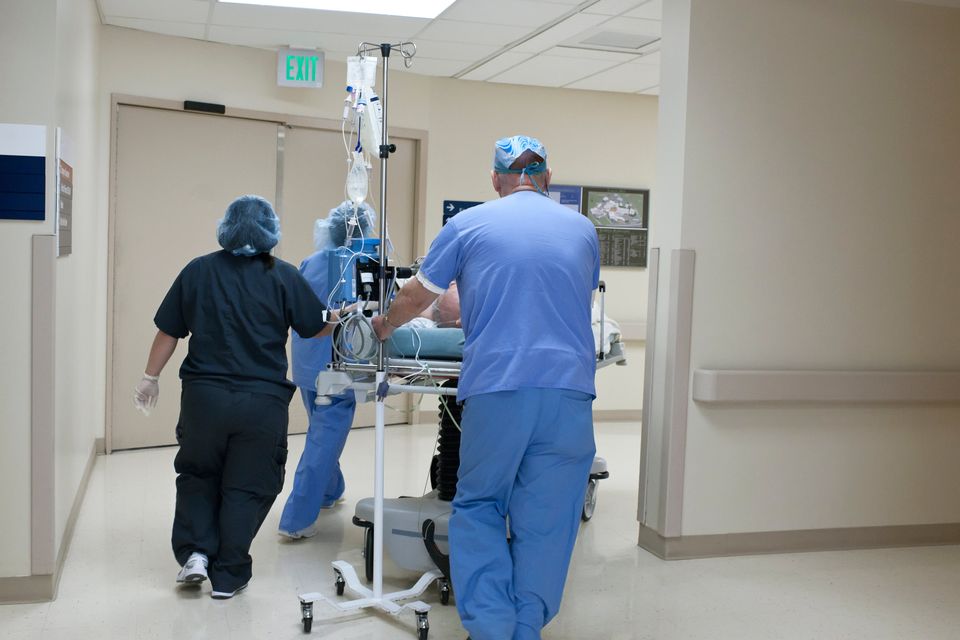
Of the 126 cases of the variant detected here so far, nearly half are associated with hospital and healthcare settings.
It has continued to gain a foothold here since the middle of June. The most recent figures show that Eris makes up nearly one-third of the lineages discovered during analysis to find out what is circulating here.
Another variant called BA.2.86, which is feared to be even more infectious, has been detected in other countries. However, as of Wednesday, it has not been detected in Ireland, according to the Health Protection Surveillance Centre.
The watchdog said there is no evidence that the Eris variant is causing increased public health risks.
However, it may be driving a rise in patients, staff and visitors passing it on to each other in hospitals. There were 22 outbreaks in hospitals last week and another 18 in nursing homes, up from a combined figure of 11 the previous week.
Overall, the number of cases detected – which is only a fraction of true infection rates due to lack of testing – rose to 970. This is an increase of 32.5pc, with the most infections recorded among 75- to 84-year-olds.
Covid-19-related deaths notified in June and July were significantly lower than the same months last summer.
There were 51 deaths notified in June and 30 in July. This compares with 120 deaths and 199 deaths last June and July respectively.
The county with the highest incidence rate of Covid-19 last week was Donegal, followed by Waterford, Limerick, Cavan and Kerry. It comes as a new report found that during the pandemic, measures such as social distancing and wearing face masks unequivocally reduced the spread of infections.
The measures were widely applied in Ireland and other European countries. They are classed as non-pharmaceutical interventions, as opposed to vaccines and drugs. The report into their usage is from the Royal Society in the UK.
It reviewed the evidence around their effectiveness in reducing transmission. In the evidence review, non-pharmaceutical interventions included wearing of face masks, social distancing and lockdowns, as well as testing, tracing and isolation. Also included were travel restrictions, controls across international borders, and environmental measures.
It found, when assessed individually, there was positive – if limited – evidence of transmission reduction from many of these measures. However, the evidence was much clearer when countries used a combination of these measures.
A small number of nations and regions were able to contain cases to very low numbers for the first 18 months of the pandemic.
1:35
Explainer: What is the Eris (EG.5) variant?
Additionally, evidence showed the measures were most effective when the intensity of transmission was low, supporting their use early in a pandemic and at first sign of resurgence.
However, the report also stated that use of these measures “can have adverse personal, educational, and economic consequences – making robust assessment of their effectiveness essential”.
Professor Mark Walport, chair of the report’s expert working group, said: “There is sufficient evidence to conclude that early, stringent implementation of packages of complementary non-pharmaceutical intervention was unequivocally effective in limiting SARS-CoV-2 infections.
“That does not mean every measure was effective… but learning the lessons from the wealth of research generated in this pandemic will be key to equipping ourselves for the next one.”
 Who Watches the Watchers?