
 Posted by
 Hezbollah walkie-talkies exploded too, what to know about Israel’s attacks
A day after the explosion of thousands of pagers, the detonation of walkie-talkies and other devices kills 14 people.

Published On 18 Sep 2024
19th September 2024
Updated:
One day after thousands of pagers exploded across Lebanon, more explosions of handheld devices, including walkie-talkie radios, mobile phones, laptops and even solar power cells, have killed at least 20 people and injured 450.
Reports on Wednesday of several blasts quickly spread on messaging apps with people sharing images of exploded walkie-talkies and residential buildings on fire.
Keep reading
list of 4 itemslist 1 of 4
Escalation fears spike as Hezbollah vows retaliation for pager attack
list 2 of 4
Second wave of blasts hits Lebanon as Israel declares ‘new phase’ of war
list 3 of 4
Deaths reported as walkie-talkies explode in Lebanon
list 4 of 4
‘Civilian objects should not be weaponised’: UN chief on Lebanon blasts
end of list
On Tuesday, some 4,000 pagers belonging to Hezbollah members had exploded over the course of an hour. Twelve people were killed and nearly 3,000 injured.
Here’s what we know:
So was this attack smaller?
Well, yes and no.
While fewer devices exploded, they were bigger and have caused more injuries.
Advertisement
Sign up for Al Jazeera
Weekly Newsletter
The latest news from around the world. Timely. Accurate. Fair.
 Please check your email to confirm your subscription
By signing up, you agree to our Privacy Policy
protected by reCAPTCHA
Firass Abiad, Lebanon’s health minister, told Al Jazeera that “those who sustained serious injuries were severely affected”.
Where in Lebanon did the new explosions happen?
Information is still trickling in, but several blasts were reported in the southern suburbs of Beirut as well as in the southern city of Tyre on Wednesday afternoon.
Images posted on social media showed vehicles on fire and smoke rising from a residential area as reports came in of walkie-talkie radios and even solar cells exploding.
Al Jazeera correspondent Ali Hashem witnessed one car explode during a funeral in southern Lebanon.
He noted that the explosion seemed to come from within the car rather than externally, as would be the case with a drone strike.
Advertisement
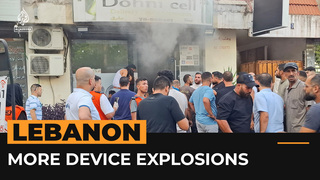
Deaths reported as more communication devices explode in Lebanon
Israeli forces storm Qabatiya in occupied West Bank
Video Duration 05 minutes 04 seconds 05:04
Eight injured by Hezbollah missile attack in northern Israel
Video Duration 14 minutes 13 seconds 14:13

‘If Israel failed to achieve Gaza goals, how is it going to succeed against Hezbollah?’: Analysis
- Video Duration 03 minutes 45 seconds 03:45
 Palestinians displaced again as attacks continue across Gaza: AJE correspondent
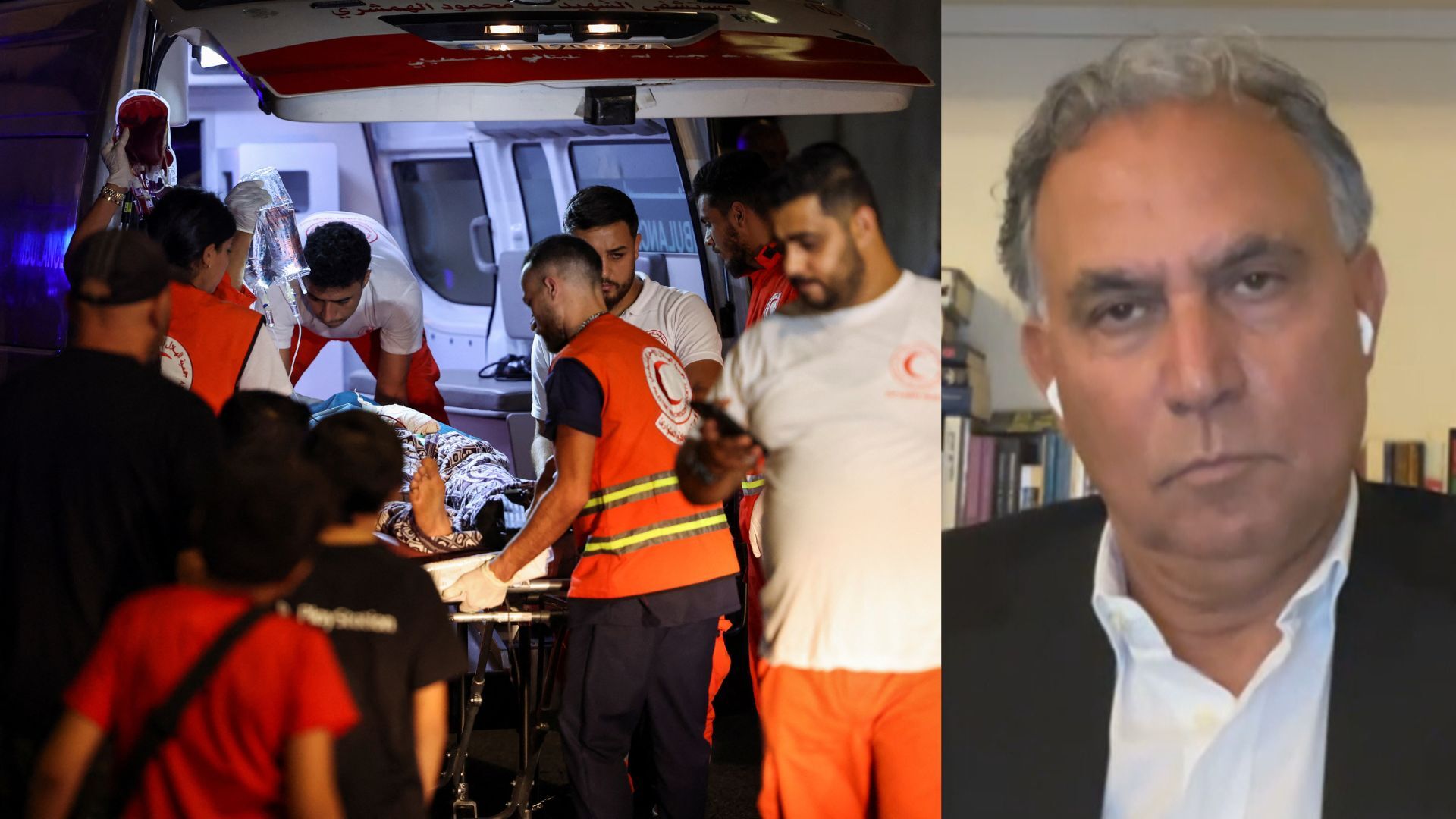
He described chaos on the streets with ambulances racing to pick up the injured and reports of more explosions coming in and spreading panic.
“Probably we are witnessing another wave, … really concerning given that yesterday’s incident already overwhelmed the whole health sector,” Hashem added.
What exploded?
There are reports of several different devices blowing up.
Chief among them are walkie-talkie radios, but there was also mention of mobile phones, laptops and even some solar energy systems.
Several cars reportedly exploded as well, but it is not clear if those were caused by the car itself exploding or something inside it.
What are ‘walkie-talkie radios’?
A regular walkie-talkie is a handheld, two-way radio device that allows people to exchange messages with the walkie-talkie base or others holding mobile receivers.
They are short-range devices and need to stay close to their base to transmit.
The devices being called walkie-talkie radios are apparently IC-V82s, manufactured by the Japanese company ICOM, which would have a much bigger range than regular walkie-talkies.
The IC-V82 has not been produced for 10 years, ICOM said after the incidents.

How do you make walkie-talkie radios explode?
Again, the details are not clear yet.
Some observers have wondered if Wednesday’s blasts were similar to what happened with the pagers.
With those, the supply chain might have been infiltrated and the devices loaded with 1 to 3 grammes (0.04 to 0.11oz) of a powerful explosive.
It seems that at least some Hezbollah members believe the explosions are linked to batteries.
Several of them quickly took the batteries out of their radios and tossed them away after one exploded during a funeral in a southern suburb of Beirut, according to the Reuters news agency.
Pagers use radio transmission and reception as does, of course, a radio.
Most of the impacted devices appeared to be communication systems, but there were also some reports of other devices exploding, like solar panels. At least one such explosion injured a girl.
Hezbollah and the Lebanese government have blamed Israel for the explosions. Israel has not commented.
https://imasdk.googleapis.com/js/core/bridge3.667.0_en.html?gdpr=1#goog_1999896130
Video Duration 0 minutes 45 seconds 0:45

Why would Israel do this to Lebanon?
Israel’s long-term strategy is unclear, but the attacks are a notable escalation against Hezbollah and Lebanon.
Analysts have long accused Israeli Prime Minister Benjamin Netanyahu of escalating on one front after another to try to avoid facing any repercussions for his security failures and a corruption case he is on trial for.
His latest has been adding a “new war goal”, namely clearing the northern area by the Lebanese border so Israelis who had to evacuate from there could return.
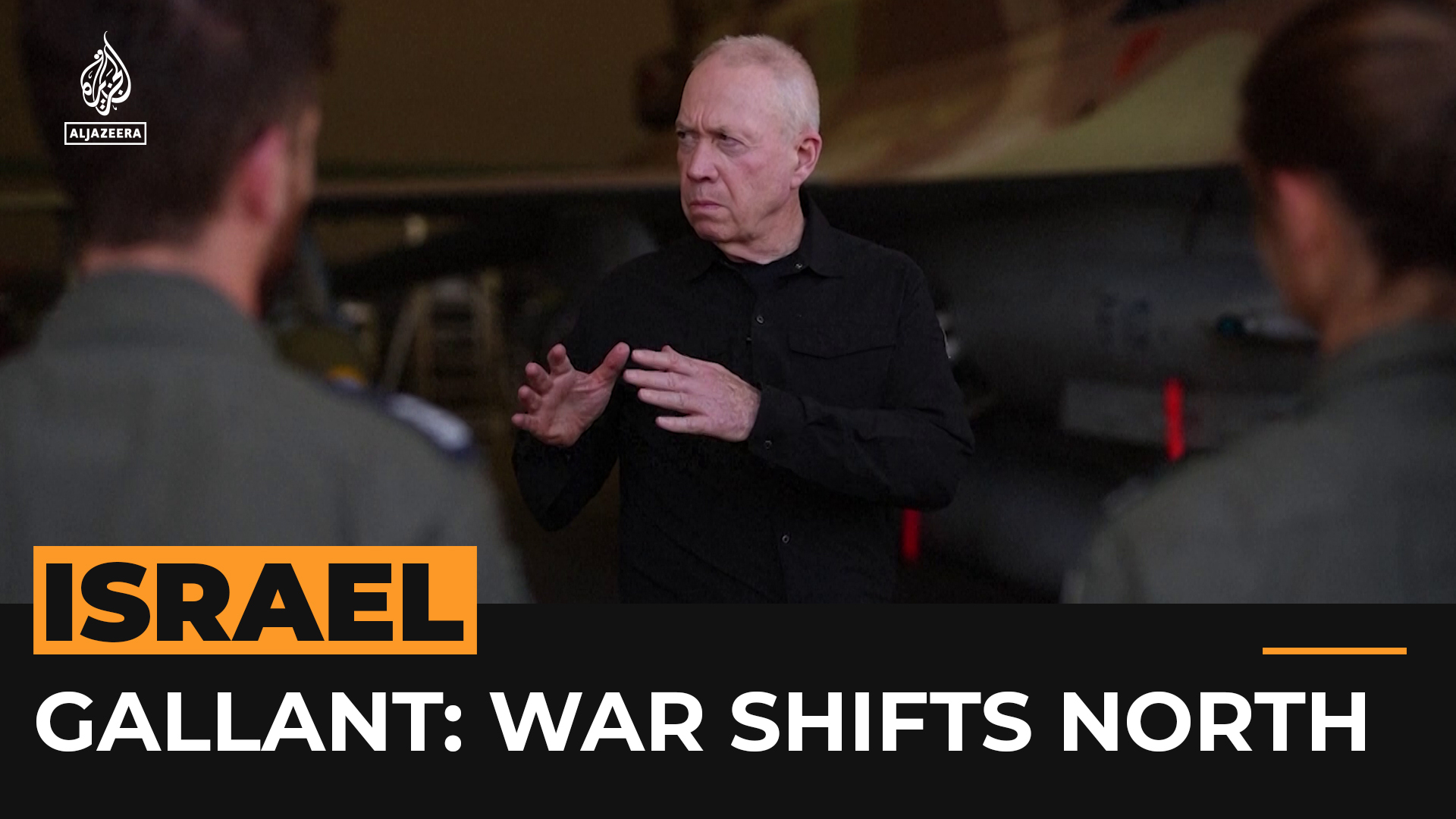
Israeli Defence Minister Yoav Gallant said on Wednesday evening that the army would divert forces and resources from its near-year long war in Gaza to the north.
How big of a blow is this to Hezbollah?
The attacks were a big security breach for Hezbollah as well as a potent tool of psychological warfare with some analysts wondering if they have shaken the group’s image domestically.
Hezbollah’s communications apparatus appeared to remain operational, according to security and political analyst Elijah Magnier, who said after the first attack that thousands of older pagers were unaffected and the group had alternative secure communications in place.
As panic set in, people in Lebanon started disposing of their devices or taking them into shops to be checked.
https://imasdk.googleapis.com/js/core/bridge3.667.0_en.html?gdpr=1#goog_1999896131
Video Duration 11 minutes 31 seconds 11:31
On Wednesday, before the latest explosions, Hezbollah said it had attacked Israeli artillery positions with rockets in the first strike on Israel since the initial attacks, according to Reuters.
What’s next?
“This attack by Israel is being seen in Lebanon as a terrorist attack because it has fed terror,” Al Jazeera correspondent Imran Khan said from Beirut. “People are scared.”
Magnier said Israel had successfully managed to “create confusion among Hezbollah and in society”.
He noted the cascading reports and climate of chaos as a sign that Israel’s strategy to wait more than 24 hours before the second detonations had been a successful one.
“This is exactly the objective of Israel – to create such confusion and prepare perhaps for a phase three,” he said.
“We have to wait and see what they are preparing next because this is not the end of it.”

Source: Al Jazeera and news agencies
 Who Watches the Watchers?