
 Posted by
 Bulletin/Novus: Nine out of ten foreign-born people have holidayed in their country of birth
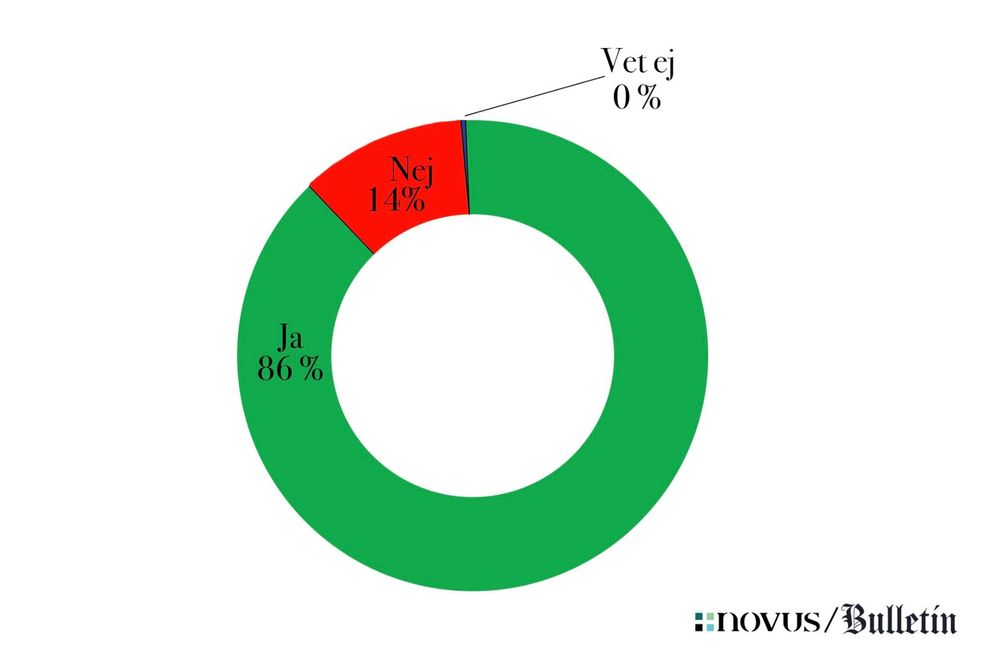
A new survey from Novus shows that over 85 percent of foreign-born people have at some point traveled back to their country of birth for a holiday. Among those who came to Sweden as refugees, the proportion who have holidayed in their old home country is 79 percent.


Sep 7, 2022 10:10 AM
Holidaying in the country you fled from has become a topic of discussion in European countries in recent years. Bulletin has commissioned Novus to investigate how foreign-born people view remigration, their children’s growing conditions and holidaying in their country of birth. The sample consists of 1050 foreign-born people and the survey was conducted between 18 and 24 August.
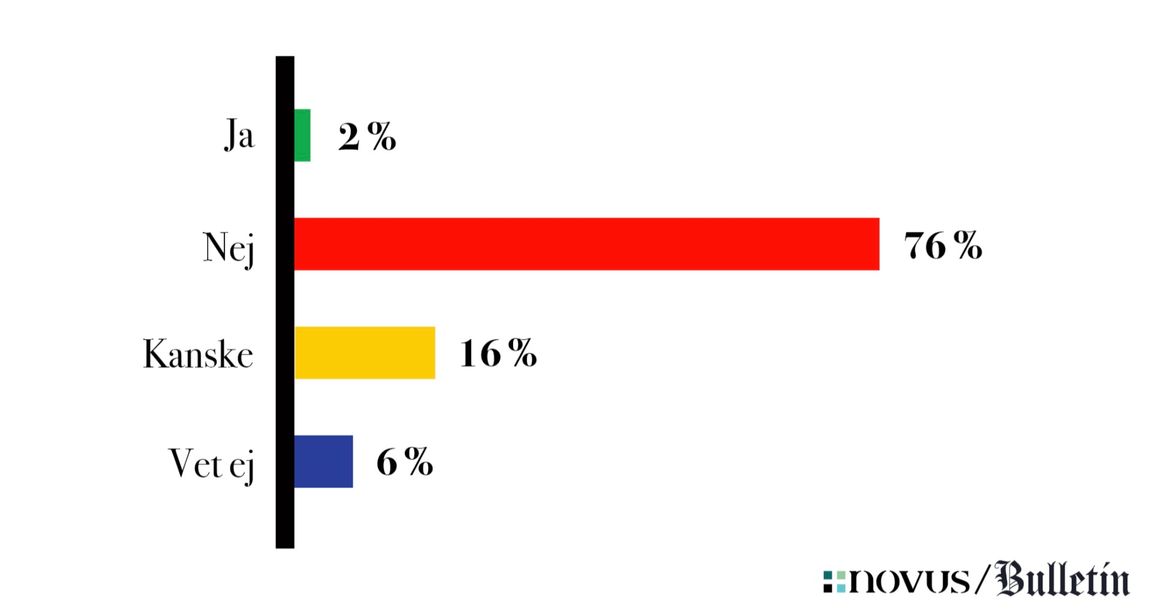
The survey shows that only two percent of foreign-born people plan to return to their country of birth in the future, while 16 percent answer maybe. 76 percent believe that they intend to stay, among those who have come to Sweden from a non-European country, the proportion is 81 percent. 53 percent of foreign-born people believe that Sweden is a better country for their children to grow up in compared to their home country, while 9 percent believe that Sweden is worse than their home country. 33 percent answer neither.
Holidays in the country of birth
In the Bulletin/Novus survey, 85 percent of foreign-born people have visited their home country as a holiday destination at some point. Among those who came as family immigrants, 92 percent have traveled back to their country of birth to holiday at least once, while the figure is 79 percent among those who came as refugees. The group of foreign-born people with the highest proportion have never holidayed in their country of birth are the adopted, where 41 per cent have not visited the country of birth since they came to Sweden.
Novus points out that it is in the nature of things that those who participate in their surveys are reasonably well integrated in Sweden, since they answer questions in Swedish. The political conditions in their countries of origin may therefore have changed as time has passed.
But 79 percent is still a very high figure considering that we are talking about those who have come to Sweden and claimed that they are refugees.
In Norway, Aftenposten reported in 2018 that 24 percent of immigrants from Somalia, 40 percent of immigrants from Afghanistan, 55 percent of immigrants from Iran and 71 percent of immigrants from Iraq regularly traveled to their home country. According to Aftenposten, the data had been produced by Norway’s statistical authority SSB. A difference with Bulletins/Novus is that the Norwegian figures are the proportion of immigrants who regularly holiday in their home country, while the Swedish figures report those who have travelled at least once.
Most countries allow people who have become citizens to return to their home country on vacation. At the same time, the fact that so many who originally came as refugees are returning indicates that the need for protection no longer applies, or perhaps never was so great.
The regulations for asylum seekers who have not been granted citizenship differ depending on the country. In Sweden, there are no restrictions for refugees who have been granted a permanent residence permit to travel back to their home country. However, refugee status can be revoked if it turns out that the person no longer needs international protection from their home country, and in cases where asylum seekers have been found to provide incorrect information about their need for protection. Other countries have stricter regulations. Switzerland, for example, does not allow asylum seekers to travel back to their home country to see relatives or vacation, except in very special circumstances. If this happens, the foreign-born person loses the right to continue to have a residence permit in Switzerland, according to UNHCR.
In Germany, too, asylum seekers’ holiday trips to their home country became a political issue, as holiday trips were considered incompatible with the claim that one is fleeing for one’s life and seeking protection in Germany due to danger in the home country. In a statement in 2019, Germany’s then Interior Minister Horst Seehofer warned refugees that they would be investigated and stripped of their residence permits when traveling to their home country.
“If someone, a Syrian refugee, regularly vacations in Syria, he cannot honestly claim to be persecuted in Syria,” he said, adding “we would have to strip him of his refugee status.”
According to DW, for example, in 2016, investigations led to 66 refugees from Iraq and Syria being stripped of their residence permits, and were no longer considered to be in need of protection because they had gone on trips to their home country.
Angela Merkel has also criticized refugees’ holiday trips to their home country, and said that it could be interpreted as meaning that the need for protection should be reassessed.
CORRECTION: The article previously stated that Sweden does not have restrictions for those who have been granted asylum to return to their country of origin. The Swedish Migration Agency has pointed out: “That statement is directly incorrect, refugee status can be revoked if it turns out that the person no longer needs international protection from their home country or if they have provided incorrect information about such a need.” The text has been corrected.
 Who Watches the Watchers?