
 Posted by
 The government has accepted the crossbench peer’s recommendations to introduce compulsory collection of ethnicity and nationality data for all suspects in grooming cases .The government has accepted her recommendations to introduce compulsory collection of ethnicity and nationality data for all suspects in grooming cases, and for a review of police records to launch new criminal investigations into historical child sexual exploitation cases.
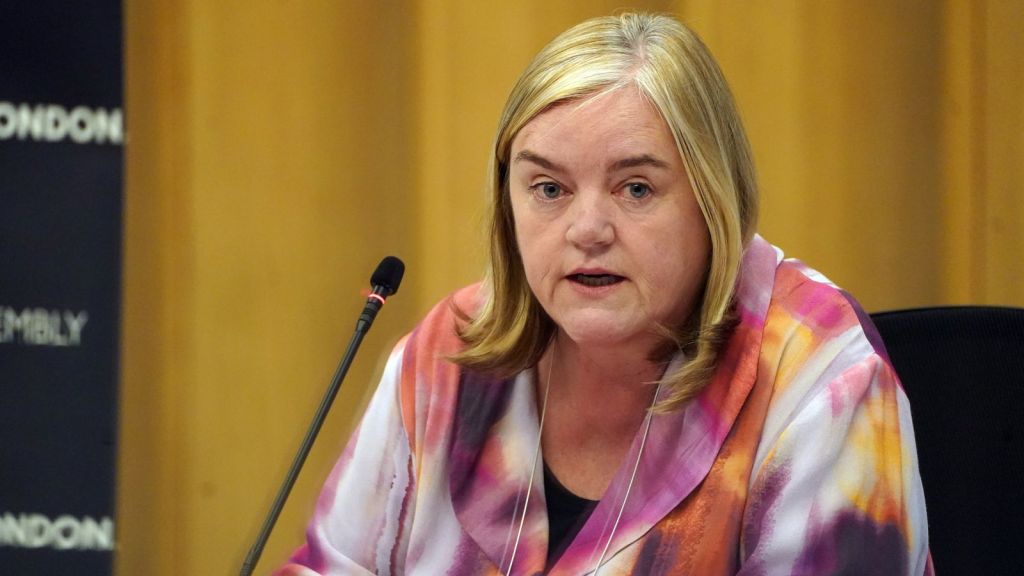
The crossbench peer has produced an audit of sexual abuse carried out by grooming gangs in England and Wales, after she was asked by the prime minister to review new and existing data, including the ethnicity and demographics of these gangs.
In her report, she has warned authorities that children need to be seen “as children” and called for a tightening of the laws around the age of consent so that any penetrative sexual activity with a child under 16 is classified as rape. This is “to reduce uncertainty which adults can exploit to avoid or reduce the punishments that should be imposed for their crimes”, she added.
Baroness Casey said: “Despite the age of consent being 16, we have found too many examples of child sexual exploitation criminal cases being dropped or downgraded from rape to lesser charges where a 13 to 15-year-old had been ‘in love with’ or ‘had consented to’ sex with the perpetrator.”The peer has called for a nationwide probe into the exploitation of children by gangs of men.
She has not recommended another over-arching inquiry of the kind conducted by Professor Alexis Jay, and suggests the national probe should be time-limited.
The national inquiry will direct local investigations and hold institutions to account for past failures.
Home Secretary Yvette Cooper said the inquiry’s “purpose is to challenge what the audit describes as continued denial, resistance and legal wrangling among local agencies”.
On the issue of ethnicity, Baroness Casey said police data was not sufficient to draw conclusions as it had been “shied away from”, and is still not recorded for two-thirds of perpetrators.‘Flawed data’
However, having examined local data in three police force areas, she found “disproportionate numbers of men from Asian ethnic backgrounds amongst suspects for group-based child sexual exploitation, as well as in the significant number of perpetrators of Asian ethnicity identified in local reviews and high-profile child sexual exploitation prosecutions across the country, to at least warrant further examination”.
She added: “Despite reviews, reports and inquiries raising questions about men from Asian or Pakistani backgrounds grooming and sexually exploiting young white girls, the system has consistently failed to fully acknowledge this or collect accurate data so it can be examined effectively.
“Instead, flawed data is used repeatedly to dismiss claims about ‘Asian grooming gangs’ as sensationalised, biased or untrue.
“This does a disservice to victims and indeed all law-abiding people in Asian communities and plays into the hands of those who want to exploit it to sow division.”Officials tried to cover up grooming scandal, says Cummings
Why many victims welcome national inquiry into grooming gangs
Grooming gangs scandal timeline The baroness hit out at the failure of policing data and intelligence for having multiple systems which do not communicate with each other.
She also criticised “an ambivalent attitude to adolescent girls both in society and in the culture of many organisations”, too often judging them as adults.
‘Deep-rooted failure’
Responding to Baroness Casey’s review, Ms Yvette Cooper told the House of Commons: “The findings of her audit are damning.
“At its heart, she identifies a deep-rooted failure to treat children as children. A continued failure to protect children and teenage girls from rape, from exploitation, and serious violence.
She added: “Baroness Casey found ‘blindness, ignorance, prejudice, defensiveness and even good but misdirected intentions’ all played a part in this collective failure.”
 Who Watches the Watchers?