
 Posted by
Devastated by war with Israel and with its key allies in disarray, the Lebanese militant group is isolated and facing the most significant choice of its 40-year history
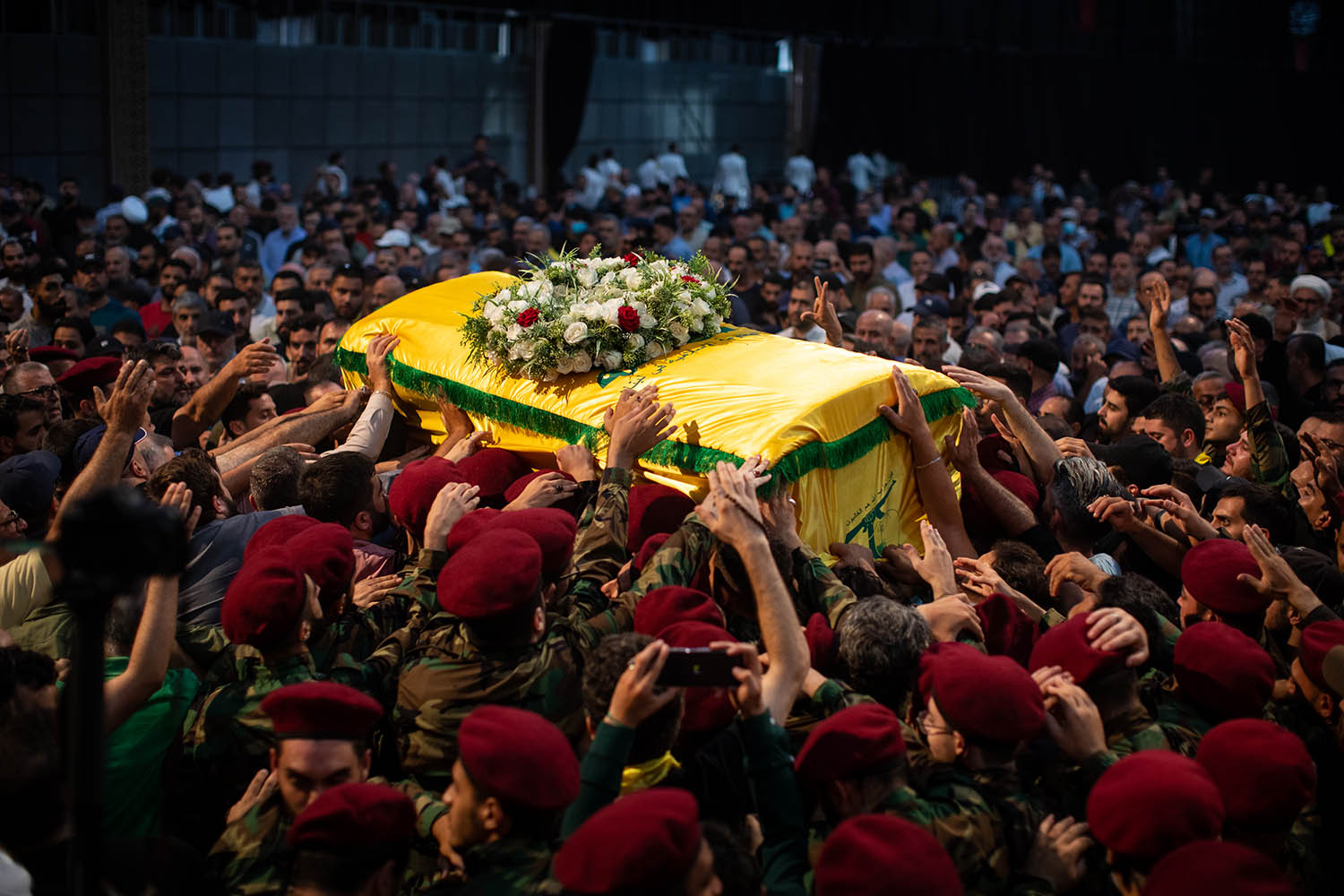
Marching through the streets of Dahiyeh in southern Beirut, men beat their chests and chanted slogans. They carried Hezbollah flags, the infamous green AK-47 emblem hovering over Arabic script reading “Party of God”, passing one pancaked building after another. Children darted between the crowds, some wearing yellow Hezbollah headbands, clutching lemonade bottles adorned with the face of the late Hezbollah secretary general, Hassan Nasrallah.
They were marching to commemorate Ashura, a day of mourning for Shia Muslims held annually to commemorate the death of Husayn ibn Ali, grandson of the Islamic prophet Muhammad, killed in AD680 at the battle of Karbala.
But it also served as a show of support for Hezbollah, which needs all the backing it can get after its devastating war with Israel last year left it decimated – its leaders assassinated, thousands of its soldiers killed and its influence inside Lebanon damaged.
Further setbacks followed. In neighbouring Syria, the regime of Bashar al-Assad collapsed in December after nearly 14 years of civil war. Hezbollah forces – long stationed in Syria to prop up Assad – withdrew overnight, abandoning both the Assad family and its key supply route from Iran to Lebanon.
‘Hezbollah as a military organisation is a thing of the past. Now it has to face the moment of truth’
Dr Hilal Khashan, American University of BeirutA history of Hezbollah
1982 Founding
Hezbollah emerged during Lebanon’s civil war, inspired by Iran’s Islamic revolution and supported by the Iranian Revolutionary Guards. It positioned itself as a resistance force against Israel’s occupation of southern Lebanon after the 1982 invasion. A year later, a truck bomb destroyed the US Marine barracks in Beirut, killing 241 American servicemen. The attack, claimed by a group called Islamic Jihad – later linked to Hezbollah – brought the organisation to global attention and made it a target for the US.
After the 1989 Taif agreement ended the civil war, Hezbollah was the only militia allowed to retain its arms. It positioned itself as a legitimate resistance group rather than a militia.
1992 Politics
Hezbollah entered Lebanese politics, alarming some supporters who feared it would become moderate. The group insisted it could pursue both political engagement and armed resistance. This dual strategy marked the start of Hezbollah’s rise as both a military and political power.
2000 End of Israeli occupation
After years fighting against Hezbollah’s guerrilla warfare, Israel withdrew from southern Lebanon.
Hezbollah claimed victory, gaining admiration across the Arab world as the first group to force out Israel militarily.
While this bolstered its domestic and regional standing, it also set the stage for future confrontations with its neighbour.
2005 Assassination of former Lebanese PM Rafic Hariri
Hariri was part of the anti-Assad opposition in Lebanon when Syria occupied part of the country. This event turned public opinion against the group and strained its image. Later four Hezbollah members were indicted and one, Salim Ayyash, was convicted.
2006 War with Israel
Hezbollah triggered a war by kidnapping two Israeli soldiers after Israel refused to release Lebanese political prisoners. The conflict lasted 34 days, killing more than 1,000 Lebanese civilians and dozens of Israelis, and leaving Lebanese infrastructure in ruins. Hezbollah’s rocket attacks on northern Israel and its resilience in the war earned it renewed regional prestige but also deepened domestic divisions and led to the UN resolution 1701 calling for on the disarmament of militias in southern Lebanon.
2012-17 Syria
Hezbollah intervened in the Syrian civil war in support of its ally, President Bashar al-Assad.
While the move was controversial at home – many accused the group of dragging Lebanon into a foreign conflict – it significantly expanded Hezbollah’s military capabilities and influence.
A permanent land bridge was established between Iran and Hezbollah.
The intervention elevated it from a local resistance group to a key player in Iran’s regional strategy.
2023–24 Gaza war and the fall of Assad
After Hamas’s 7 October attack on Israel, Hezbollah opened a northern front in support by firing rockets from Lebanon. Expecting a repeat of 2006, Hezbollah was unprepared for Israel’s advanced intelligence and military response. Targeted airstrikes destroyed much of its infrastructure, and leader Hassan Nasrallah was killed in a bunker-busting raid in September 2024.
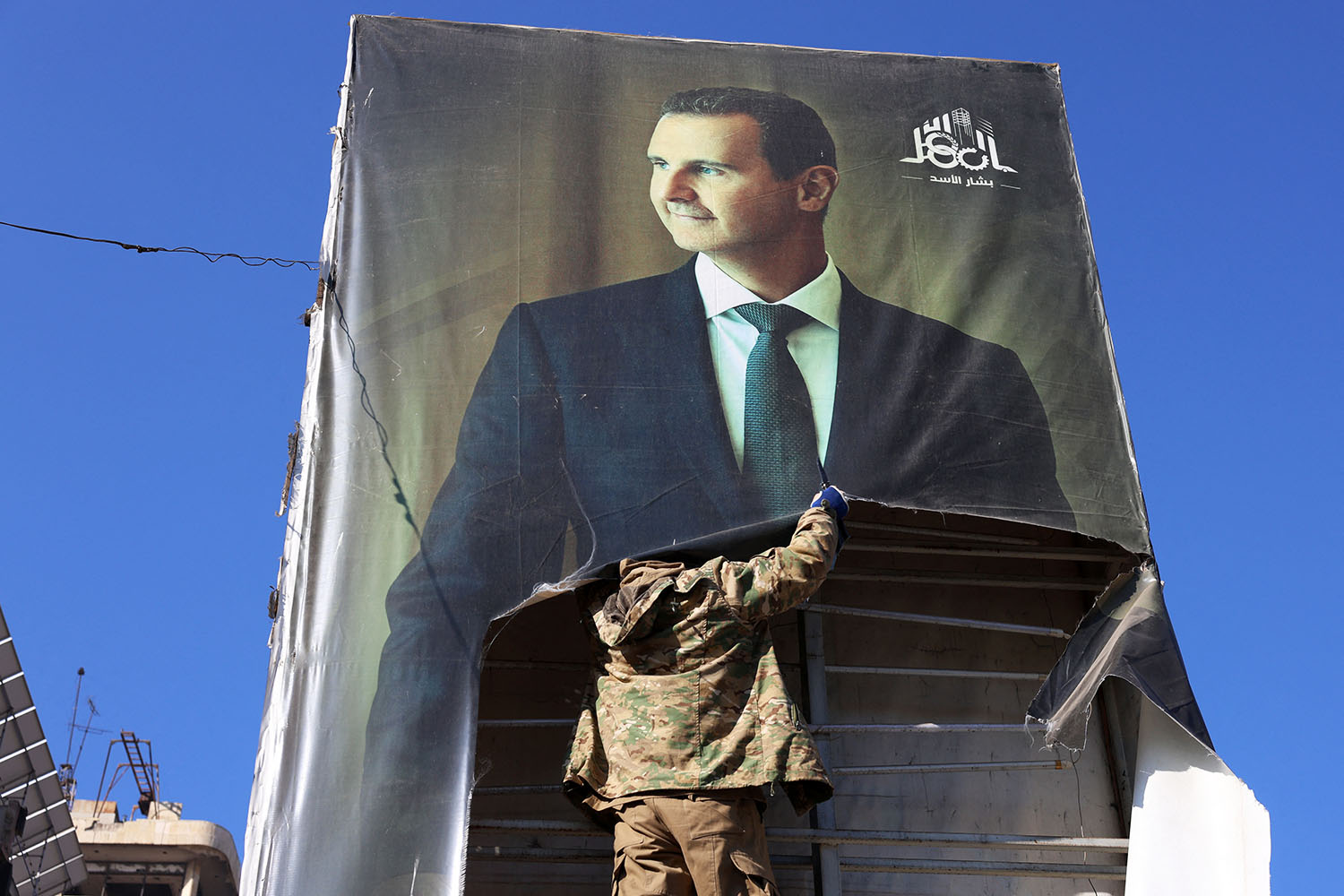
Two months later, Assad’s regime fell, cutting Hezbollah’s supply lines. With Iran reeling from its war with Israel and internal crises, Hezbollah found itself isolated.
For the first time, its disarmament became a real possibility, and its future as a dominant force in Lebanon and the region was cast into doubt.
 Who Watches the Watchers?