
 Posted by
 The specialist equipment was used in America to solve decades old cases
A BREAKTHROUGH in the case of Sophie Toscan du Plantier could see the identity of her killer confirmed as early as next month.
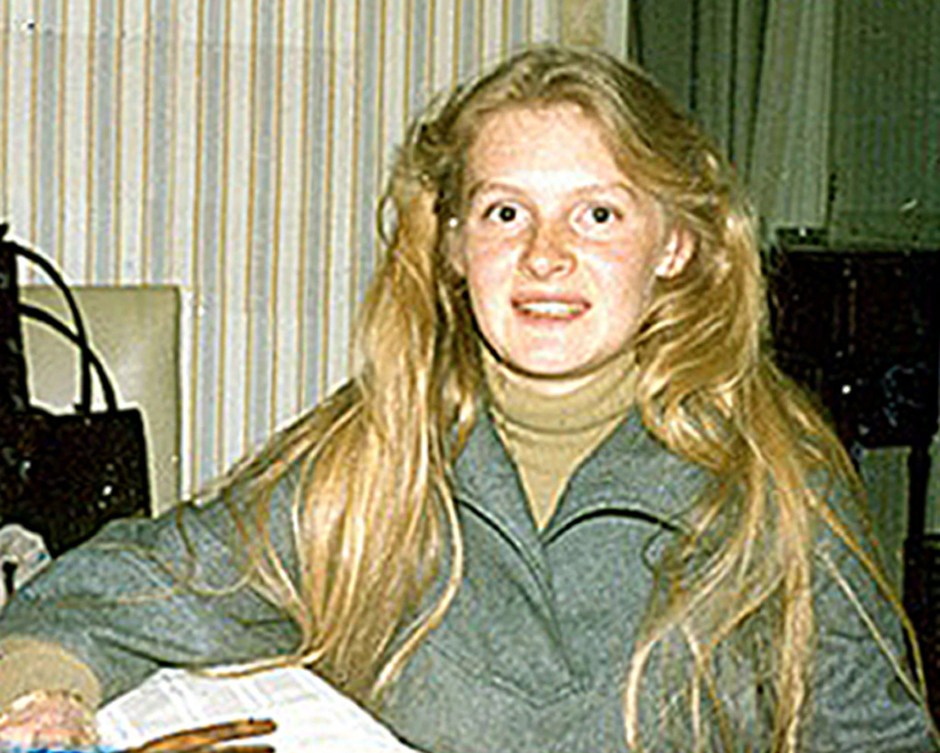
Mum-of-one Sophie, 39, was battered and left to die at the gateway to her holiday home near Schull in west Co Cork on December 23, 1996.
Investigators looking into the cold case have found DNA evidence using specialist forensic techniques and equipment – the first such viable genetic material recovered in the long-running probe.
In July, The Irish Sun reported how a specialist team from the US had travelled to Ireland to refocus on a bloodstained flat rock and concrete block used to kill the French filmmaker.
The clothes Sophie was wearing when she was attacked were also examined.
The US team is being led by Jared Bradley, chief executive of M-Vac Systems.
It, along with Forensic Science Ireland, carried out extensive testing over eight days at Garda Headquarters in the Phoenix Park in July.
And the probe has reportedly borne fruit, with investigators identifying potentially conclusive genetic material from the evidence.
It was found using a forensic method known as Touch DNA – also known as Trace DNA – which only needs very small samples left from a crime scene, even just a few skin cells.
The M-Vac device, which involves spraying a substance onto a surface while applying vacuum pressure to extract cells from it, was also used.
TIMELINE OF SOPHIE CASE
December 23, 1996: Sophie’s battered body, still in night clothes, is found outside her holiday home near Schull, west Cork, by a neighbour.
February 10, 1997: Ian Bailey is arrested at his home for the murder but is later released.
April 17, 1997: Inquest hears Sophie died from multiple injuries, including laceration of the brain and skull fracture, caused by a blunt instrument.
January 27, 1998: Ian Bailey is arrested and quizzed for a second time, but is again released without charge.
January 2002: A review is ordered into the murder investigation after a highly critical report is written by a solicitor.
June 2008: A French magistrate orders the exhumation of Sophie’s body for a post-mortem and forensic examination.
July 2008: An inquiry into the handling of the murder probe recommends no prosecution.
June to October 2009: French authorities travel to West Cork to view the crime scene and meet Irish investigators. Two Garda detectives travel to Paris for quiz on probe.
February 19, 2010: A French judge issues a European Arrest Warrant.
April 23, 2010: Gardai arrest Bailey and he is brought before the High Court and granted bail.
March 18, 2011: High Court orders Bailey to surrender to European arrest warrant but he appeals to Supreme Court.
March 1, 2012: The Supreme Court rules in Bailey’s favour in his appeal against extradition.
May 31, 2019: Bailey is found guilty of Sophie’s murder in his absence in France. He is sentenced to 25 years in jail.
June 21, 2019: French authorities issue a third European Arrest Warrant.
October 12, 2020: High Court rules against Bailey being extradited. Later, State decides not to appeal. It ends attempts to extradite Bailey.
Before travelling over to Dublin, Mr Bradley said: “Praying for a fantastic outcome from this trip.
 Who Watches the Watchers?