
 Posted by
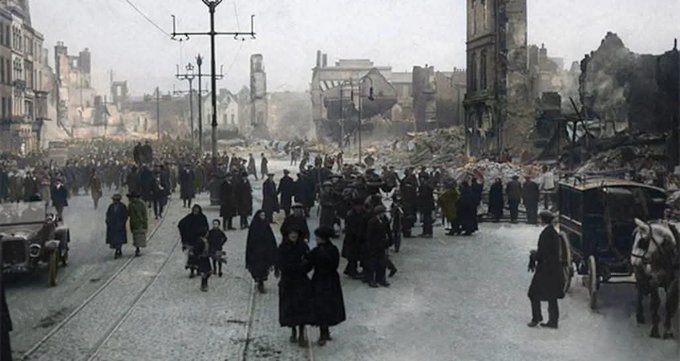
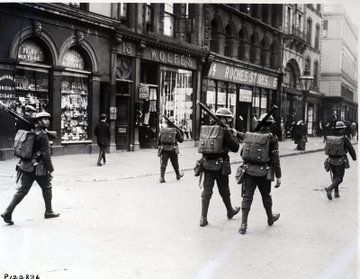
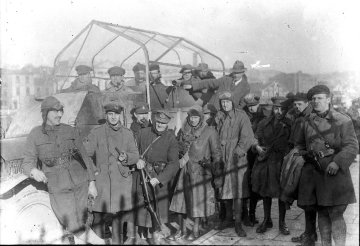
 Two Crossley Tender lorries carrying the despised Auxiliaries were leaving Victoria Barracks (later renamed Collins Barracks) around 8 p.m. These ragtag units often contained pardoned criminals and were known for their brutality. They had become predictable in their movements, and Seán Ó Donoghue of the Cork No. 1 Brigade meticulously planned the attack. When the ambush was sprung, 12 auxiliaries were injured, with one named Spencer Chapman, succumbing to his wounds the next day. The IRA volunteers melted into the night, leaving Crown forces humiliated and furious. A second group of rabid auxiliaries arrived at the ambush site and began emptying nearby homes of innocent, terrified civilians, interrogating the occupants for information on the attackers. When the locals had no intelligence to give, the Auxiliaries set homes alight, forcing families into the December cold. But this was only the beginning. Soon, another detachment of auxiliaries gathered on St. Patrick’s Bridge and marched into the heart of Cork. They shattered shop windows along St. Patrick’s Street and fired indiscriminately, instilling terror in the city’s panicking population. They set ablaze prominent businesses, including Grant’s Drapery Store and Cash’s Department Store. Meanwhile, Alfred Hudson, the superintendent of Cork Fire Brigade, struggled to organise a response with his limited staff as fires spread uncontrollably through the city. As the flames consumed commercial properties, another group of Auxiliaries set their sights on Cork’s civic institutions. They deliberately burned City Hall and the Carnegie Free Library, destroying invaluable records. Collective punishment had always been a weapon of the Brits. The wanton destruction of these symbols of civic pride underscored the calculated nature of the reprisal. In the wider chaos, British thugs also targeted individuals suspected of IRA involvement. Daniel Delaney’s home on Dublin Hill was raided due to the known republican activities of his sons, Jeremiah and Cornelius, though neither had taken part in the Dillon’s Cross ambush. Jeremiah was shot dead in his home, and Cornelius was mortally wounded, succumbing to his injuries days later. By the time the fires had burned out, 5 acres of property had been reduced to ash, leaving an estimated £20 million worth of damage in today’s value. Over 1,000 people were left unemployed, homeless, and hungry as businesses and homes lay in ruins. The destruction devastated Cork’s economy and scarred its people. The newly formed ‘K’ Company of Auxiliaries, responsible for the devastation, was quickly redeployed to Dunmanway in West Cork. Their trail of chaos continued when days later, they shot and killed Canon Thomas Magner and local man Tadhg Crowley.
from Dublin City, Ireland
·
 Who Watches the Watchers?