
 Posted by
 The five Bulgarian crooks made 6,000 bogus claims then used the cash to buy designer clothes, flash watches and luxury cars.

The gang stole millions from taxpayers

Galina Nikolov behind the counter of a corner shop the gang was using
Galina Nikolova, 38, Stoyan Stoyanov, 27, Tsvetka Todorova, 52, Gyunesh Ali, 33, and Patritsia Paneva, 26, took a total of £53,901,959.82 in Universal Credit payments.
They were locked up for a total of 25 years in May 2024 after admitting fraud and money laundering.
All of the gang – bar Ali – have since been released from prison and are waiting to be deported.
A confiscation hearing was told prosecutors have been attempting to claw back the money after the fraudsters moved most of it abroad.
The gang was ordered to pay back just £2million their haul – around one per cent of the total stolen, The Telegraph reports.
A court heard previously the fraudsters operated on an “industrial scale” out the back of three corner shops in Wood Green, North London.
They used real people and stolen identities to make the fraudulent claims, which were backed up with falsified documents.
If their claims were denied, the brazen gang just persistently re-applied until they were approved.
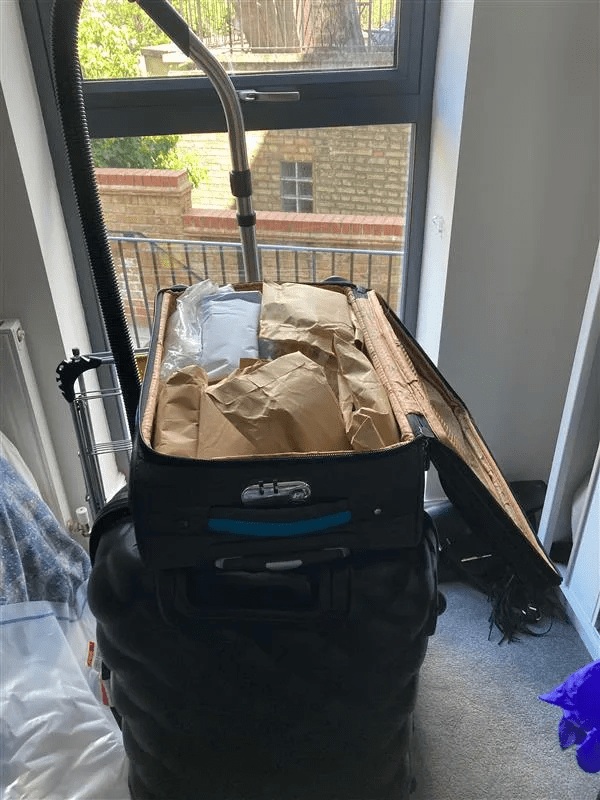
Police found wads of cash stashed in suitcases

The fraudster seen with her partner Stoyanov on holiday in Turkey
The Universal Credit was paid into hundreds of different bank accounts and then withdrawn by the criminals at the bank.
They then laundered the money between various accounts through multiple transfers and cash withdrawals.
The four-year fraud finally came to an end in May 2021 when a policeman in Sliven, Bulgaria, tipped off British authorities.
Police raided several properties in North London and discovered hundreds of ‘claim packs’ filled with counterfeit and false documents, along with £750,000 cash hidden in suitcases and shopping bags.
A black Audi, two Emporio Armani watches, two Versace watches, Gucci shoes and Chanel trainers were also seized.
Even after the gang had been arrested, Stoyanov kept making fraudulent claims.
In total, he defrauded the taxpayer of a further £17,000 while under investigation.
His role in the conspiracy was to “act as a conduit for those higher up in the chain”.
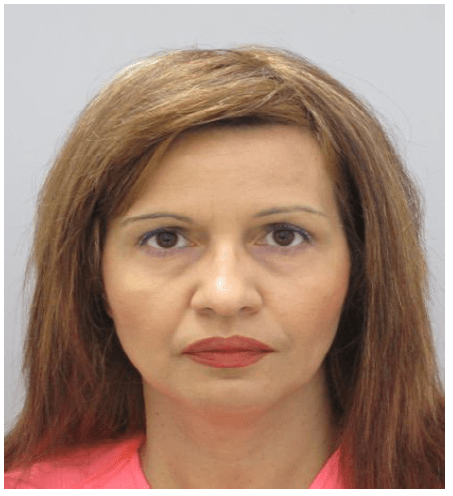
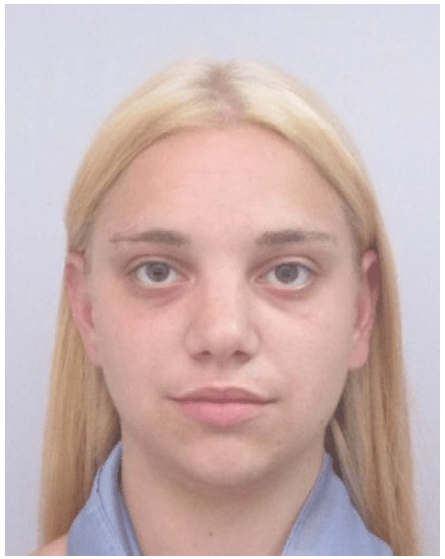
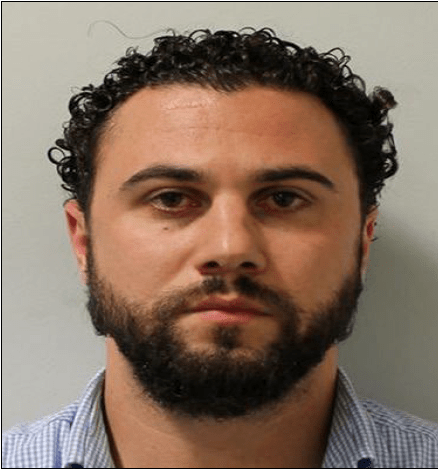

A Department for Work and Pensions spokesman said: “We take all fraud seriously and last year we saved an estimated £25bn through our prevention and detection activities.
“In this case, action is ongoing to recover further money.”
 Who Watches the Watchers?