
 Posted by
 ARMED GARDAÍ FORCED their way into a hotel room to save 11-year-old Oisín O’Reilly after his father Wayne threatened to kill him in October, three months before their deaths.
The Journal has learned that a nationwide Garda investigation took place on 17 and 18 October when Wayne O’Reilly disappeared from Dublin with his son.
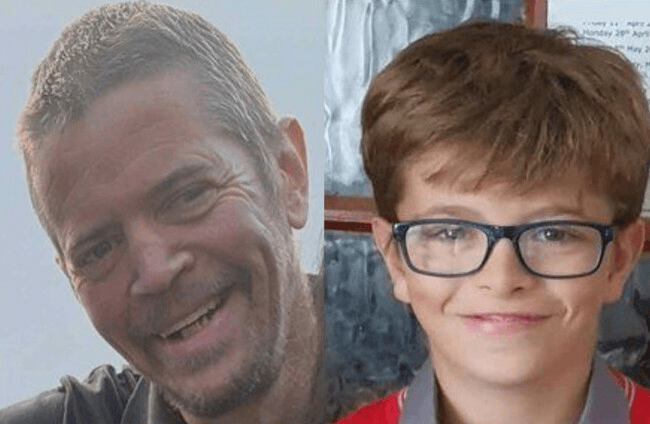
It is understood that over the course of a frantic few hours, Wayne O’Reilly sent text messages and made phone calls saying he would kill Oisín.
Gardaí tracked the pair to a hotel in Limerick city. Armed Support Unit officers entered the room, detained Wayne O’Reilly, and took Oisín to safety.
It is believed that gardaí referred the incident to Tusla on the night and made representations for Wayne’s access to Oisín to be withdrawn.
Oisín O’Reilly, who turned 12 in recent weeks, is believed to have been killed by his father, who then took his own life. Their bodies were discovered by gardaí in Clondalkin and Cherry Orchard yesterday.
It was confirmed today that an independent review is to be carried out into Tusla’s interactions with the father and son.
Multiple sources have told The Journal that gardaí and Tusla had multiple interactions with the father, Wayne O’Reilly, in recent years.
Tusla confirmed last night to The Journal that both of them were known to the agency.
The National Review Panel, which investigates the deaths of children known to the child protection system, confirmed that it will be looking into Tusla’s dealings with Wayne and Oisín O’Reilly.
“The NRP will be completing a review in due course,” a spokesman said.
Post-mortems are due to be carried out today on the two bodies. No funeral arrangements have been announced as yet.
The National Review Panel was set up in 2010 in the aftermath of the landmark Ryan Report into child abuse in Ireland. The chair of the panel is Dr Helen Buckley, a Trinity professor of social work, and the deputy chair is Dr Ann McWilliams.
Sources have said that the gardaí are not looking for anyone else in relation to the deaths, and that the boy died violently.
The two-day disappearance of Wayne O’Reilly with Oisín in October will form part of the inquiry.
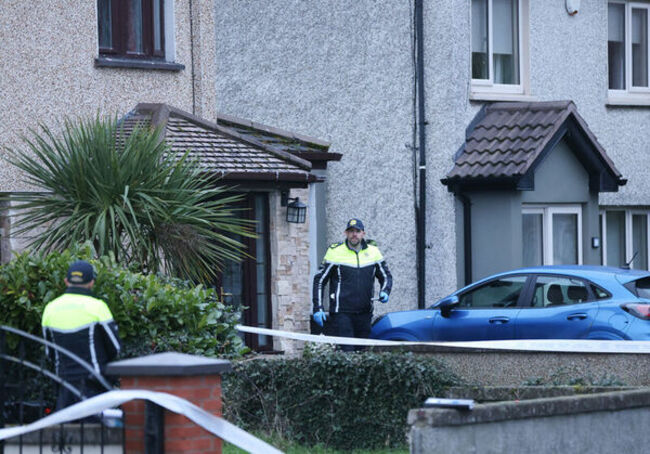
Some of the interactions that gardaí had with Wayne O’Reilly in recent times were under the Mental Health Act, while Tusla’s interactions were about child safety concerns.
O’Reilly’s threat to kill Oisín did not result in a criminal investigation as no formal complaint was made by a parent or guardian. Gardaí must have a formal complaint by a victim, or in the case of a child, from a parent or guardian, before they can investigate such an offence.
The missing persons case involving Wayne and Oisín on 17 October last ended when the man returned with the child. Gardaí had issued an alert as they were concerned for the safety of the pair.
Tusla
Tusla’s statement last night said that it was aware of Oisín before his death but that the boy was not in State care.
“Tusla, Child and Family Agency, can confirm that we were advised earlier today of the death of a young boy in Dublin,” a spokesperson said.
“The death of a child is a tragedy, and our thoughts are with the family, all those who knew him, and the local community at this difficult time. This young boy was not in the care of the state, however he and his family were known to Tusla.
“We continue to engage with An Garda Síochána as they conduct their investigation, and it would not be appropriate to comment further at this time.”
Tusla has been at the centre of a number of incidents involving the deaths of at-risk children that were in contact with the agency, including Kyran Durnin in Louth and Daniel Aruebose in Donabate, Co Dublin.
More than one hundred senior social workers in Tusla wrote to the agency’s CEO in recent weeks to say that plans for a six-week timeline to put in place major organisation-wide reforms by the start of this year could put children at “significant risk of harm”.
 Who Watches the Watchers?