
 Posted by
 But whilst this child is certainly innocent and worthy of help, and this is a place where pious people come to seek assistance from Our Lady, her desperate prayers will not be answered that lonely night.
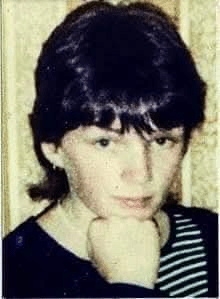
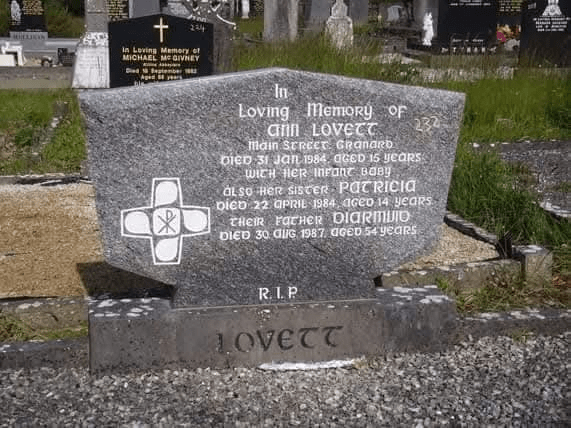
Amid the darkness and cold, Ann will give birth to a stillborn baby. Compounding that unimaginable tragedy which occurred in this dreary garden of Gethsemane, just hours later the teenage mother will also perish in Mullingar hospital.
Although barbaric scenes like this have played out countless times in “modern” Ireland, this instance captured the country’s imagination. The 80s were a more media-savvy age than ever and with the added symbolic poignancy of the grotto was impossible to ignore.
The town of Granard, then only a rural village of 1,285 souls reacted in a variety of ways to these horrific events. Ireland, let alone rural Ireland, in 1984 was practically a religious theocracy. The Catholic Church and conservative outlooks born of generations of poverty strangled the lives of people in general but women and girls in particular.
Some locals were aware of Ann’s pregnancy. Gardaí have never revealed how a visibly pregnant schoolgirl could leave a classroom on a freezing rainy winter’s day. Everyone had failed this girl and baby boy, from the nuclear family unit all the way up to Leinster House.
Four months before that fateful night, two-thirds of the country had voted in an abortion referendum to enshrine the “right to life” of the unborn in the constitution, without adequately clarifying what happened when this clashed with the constitutional “right to life” of the mother. Ann’s deceased infant boy was posthumously baptised Pat. The two innocents, the child, and her child, were buried together in the same coffin.
It was obvious this very homegrown horror story would become a religious and political football for parties on both sides who didn’t give a damn about women or babies. But when the handful of female TDs and activists attempted to speak out for victims, they were roundly ignored in favour of a soundbite from a bishop, or a geriatric male politician.
Despite Minister of State for Women’s Affairs and Family Law Nuala Fennell making a passionate plea in the Dáil for an inquiry, none materialised. However, amid the sanctimonious accusations and assignations of blame real social progress took root.
The closest Irish society came to openly dissecting the issue was on The Gay Byrne Hour radio show.
Hundreds of people, mostly women, wrote in to talk about their experiences and their hopes for change.
 Who Watches the Watchers?