
 Posted by
 Number 1 Orchard View stood within the grounds of St Brendan’s Psychiatric Hospital in Grangegorman. It was sheltered accommodation for one of the most vulnerable communities imaginable, older women with psychiatric histories. On the morning of the 7th of March 1997, Gardaí entered the house Sylvia Sheils and Mary Callinan lying murdered in their rooms. Both women had been repeatedly stabbed and their bodies subjected to extraordinary mutilation. The violence was so excessive detectives initially speculated the killer might have had medical or butchery training, like a horrific throwback to Jack the Ripper. There was a third woman in the gaff that night who survived and this fact would later matter more than anyone realised. By July 1997, Garda were convinced they had their multiple murderer. Dean Lyons was a 24-year-old man living in a hostel nearby. Lyons had a learning disability and a severe heroin addiction, and was well known to social services and Gardaí alike. After hours of interrogation, much of it conducted while Lyons was suffering acute drug withdrawal, he confessed. But his confesssion was all fecked up, the sick details and even the dates didnt fit. But as Garda questioning continued, his statements miraculsously began to align with the crime scene describing elements that had never been released publicly. What shouldve been obvious to anyone working on the case was the impared and vulnerable Lyons had been fed the details through leading questions and repeated interviews. His suggestibility exhaustion and withdrawal, did the rest. There was no forensic evidence linking him to Orchard View yet he was charged with the murders and sent to Mountjoy Prison on remand. Shockingly just months after Lyons was imprisoned, a second double murder shattered that illusion. In August 1997 in Roscommon, Catherine and Carl Doyle were brutally killed in their home. The suspect arrested was Mark Nash, a violent offender with a long criminal history. While in custody, Nash confessed not only to the Doyle murders, but to the killings in Grangegorman. The degenerate scumbag Nash drew a sketch of the Orchard View house where he described three women, one who had been spared. This detail had never been released. Even then, Nash was not immediately charged for Grangegorman. Dean Lyons was eventually released in 1998, but he was not exonerated and he passed away from a heroin overdose in 2000 aged just 27. It took eighteen years, advances in DNA technology, and the discovery of forensic links between Nash and a jacket found at the crime scene before the State finally acted. In 2015, Mark Nash was convicted of the murders of Sylvia Sheils and Mary Callinan and sentenced to life imprisonment. The Birmingham Commission of Investigation in 2006 laid bare what had happened to Dean Lyons.Garda interrogation practices were deeply flawed when dealing with vulnerable suspects, creating false confessions. Garda interviews are now routinely audio and video recorded, and there is greater protections for suspects with intellectual disabilities. They came too late for Sylvia Sheils, Mary Callinan and Dean Lyons.


from Dublin City, Ireland
·
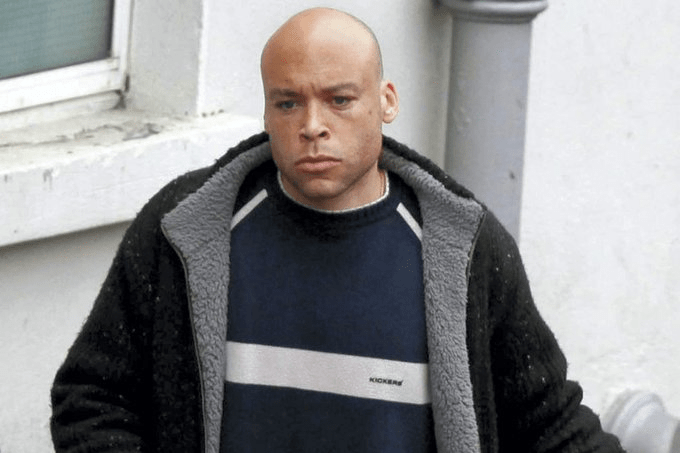
So Mark Nash is currently serving four life sentences at the Midlands Prison in Portlaoise. Although he was first imprisoned in 1998 for the Roscommon killings, his conviction for the Grangegorman murders did not occur until 2015, following a cold case DNA breakthrough.
In recent years, Nash has exhausted his legal options to overturn these convictions or claim damages for the delay in his prosecution. In 2020, the European Court of Human Rights dismissed his final appeal, ruling it inadmissible because it was filed too late. In 2015, he engaged in a high profile hunger strike and launched unsuccessful legal bids to be transferred from the Midlands Prison to Arbour Hill, claiming he faced threats from other inmates.
 Who Watches the Watchers?